
loading


| Availability: | |
|---|---|
| Quantity: | |
YKD-02
YUEKON
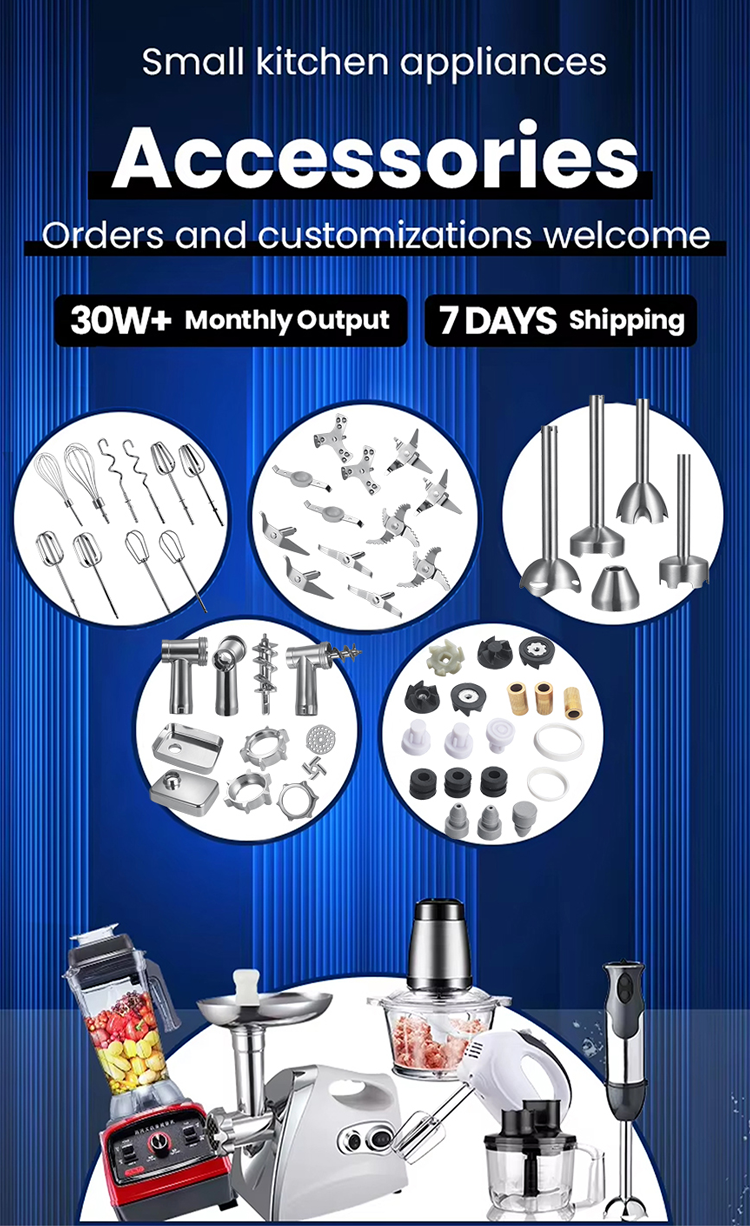
A blender is only as good as its blade. Over time, even the most robust kitchen appliances suffer from wear and tear—especially the cutting component that does the heavy lifting. That’s where blender replacement blades come in. Whether your current blade is dull, chipped, or simply missing, investing in a high-quality replacement can restore your blender’s efficiency, extend its lifespan, and save you money compared to buying a whole new unit.
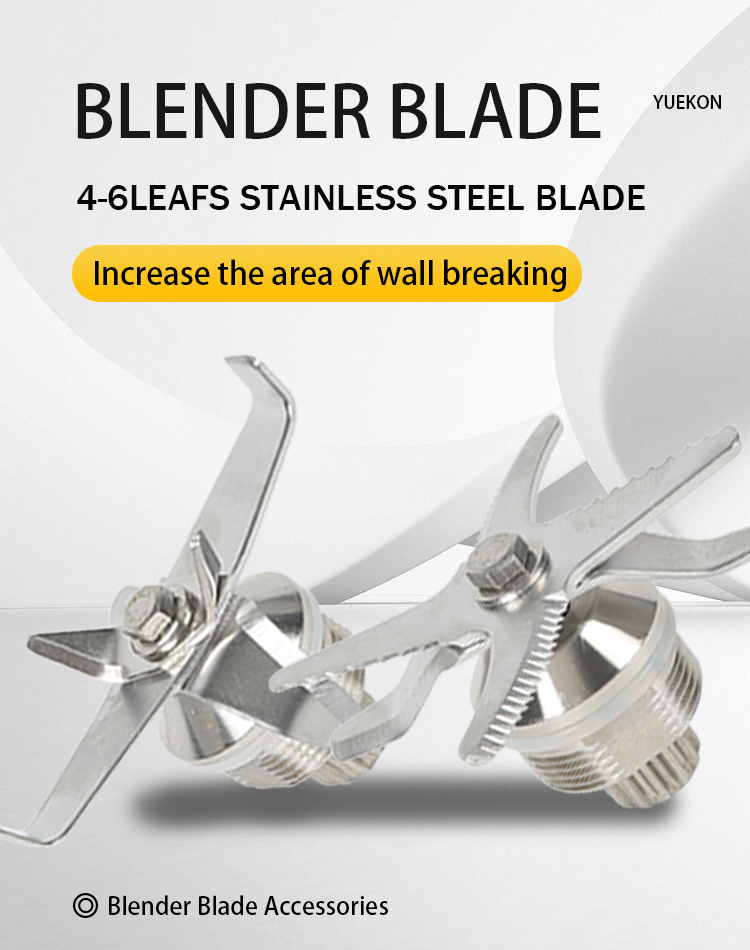
The Hidden Cost of a Worn-Out Blade
When blades lose their sharpness, the motor must work harder to process ingredients. This not only leads to inconsistent textures—lumpy smoothies, chunky sauces—but also increases strain on internal components, potentially causing overheating or motor failure. A fresh set of replacement blades ensures optimal vortex action, pulling ingredients down smoothly for uniform blending.
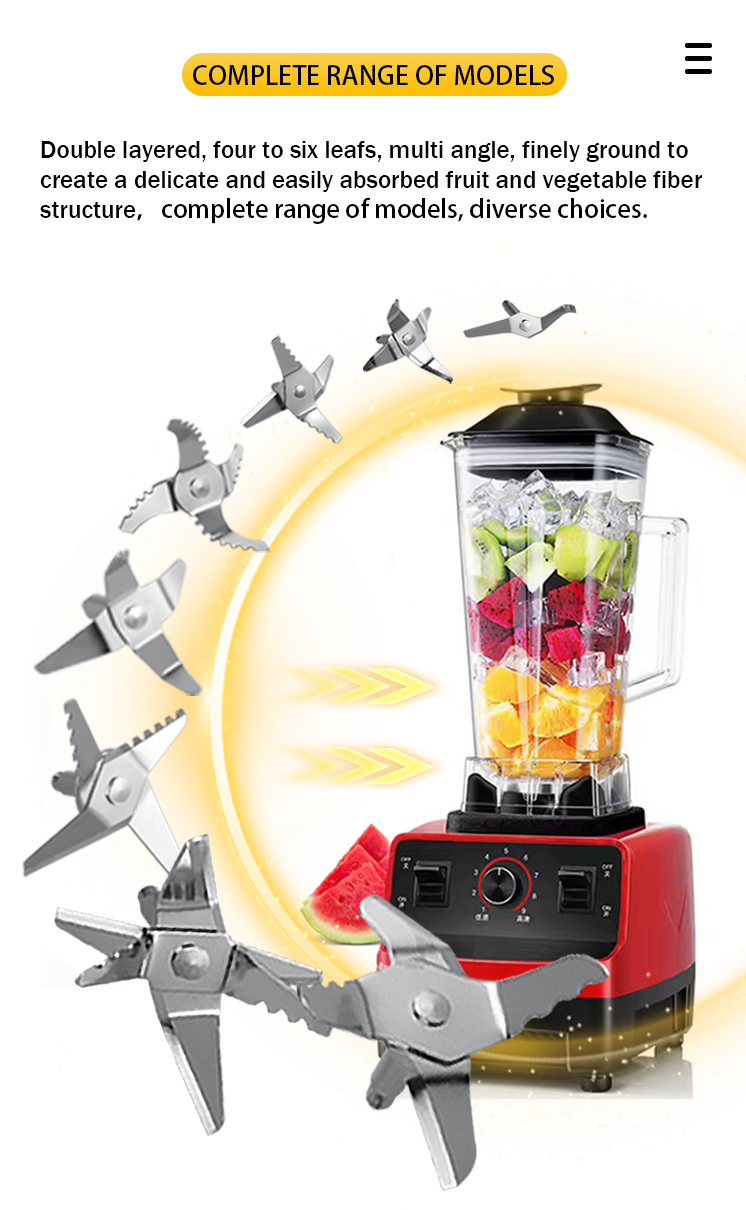
Material Matters: Stainless Steel Is Non-Negotiable
Top-tier replacement blades are crafted from food-grade stainless steel (typically 304 or 430 grade), offering superior corrosion resistance, durability, and hygiene. Unlike plastic or low-alloy metals, stainless steel won’t rust when exposed to acidic fruits, dairy, or cleaning agents. It also maintains edge integrity through thousands of cycles—ideal for daily use in both home and light-commercial settings.
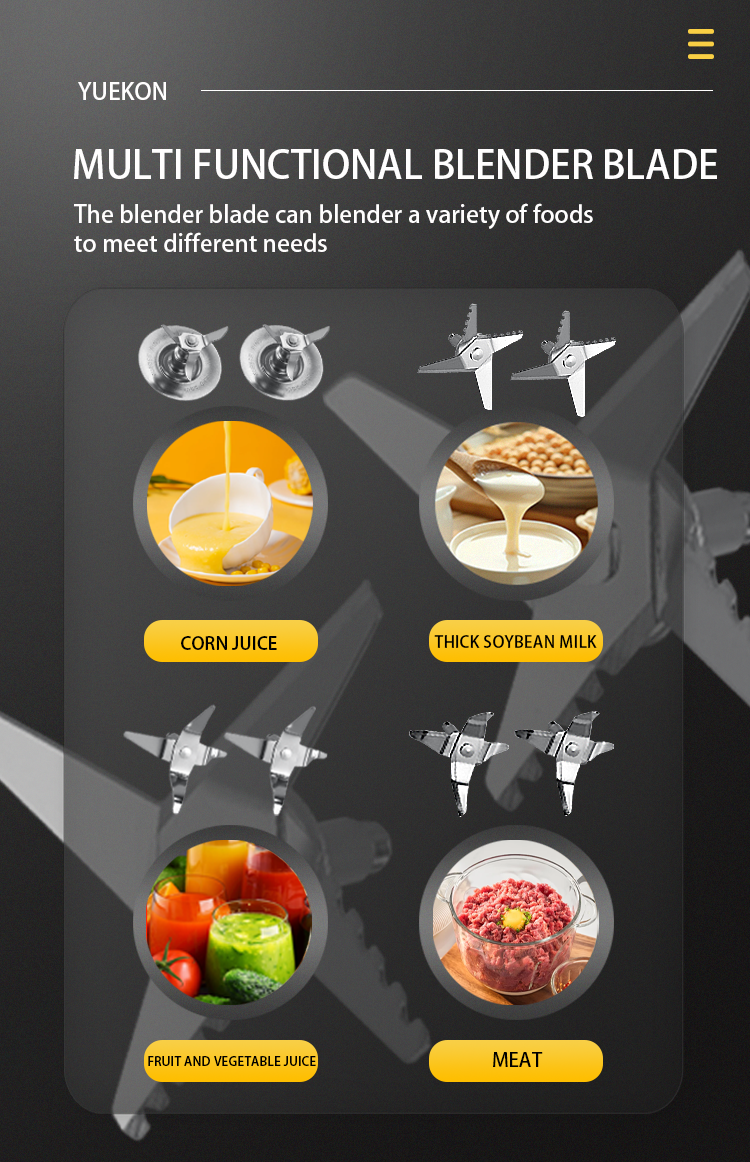
Compatibility Is Key
Not all blades are universal. Brands like Vitamix, Ninja, Oster, Blendtec, and Hamilton Beach use proprietary threading and coupling systems. Always verify your blender model number before purchasing. Many reputable third-party manufacturers now offer OEM-compatible blades that meet or exceed original specifications—often at a lower price point.
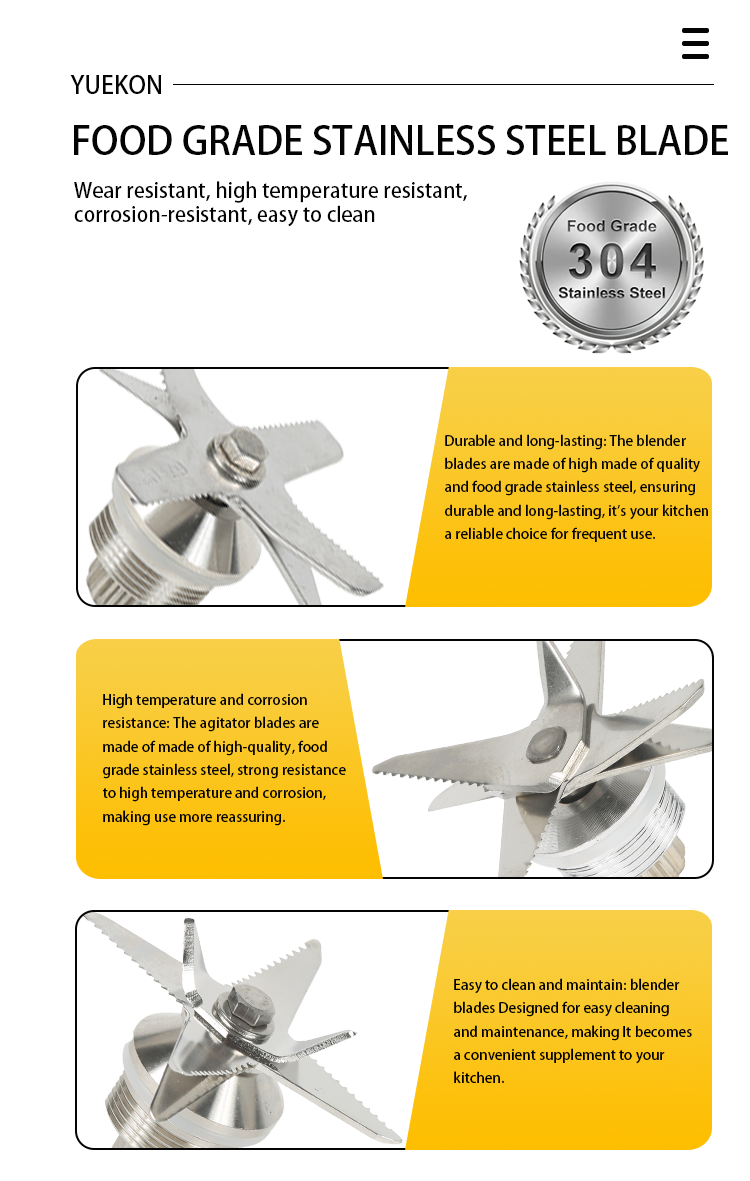
Easy Installation & Maintenance
Most replacement blades screw directly into the bottom of the blender jar. Use a cloth-wrapped wrench to secure without scratching. After installation, run a test blend with water and a drop of dish soap to ensure smooth operation and check for leaks. Clean after each use; avoid dishwashers if the blade includes rubber gaskets that may degrade over time.
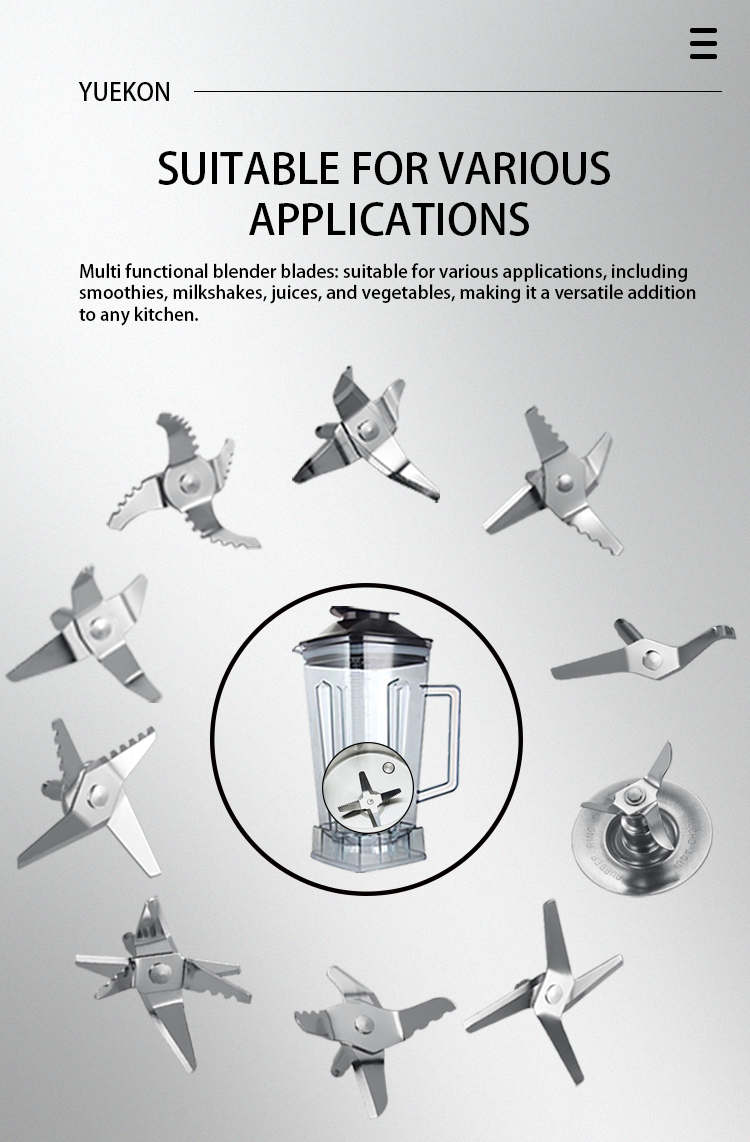
Sustainability & Smart Economics
Replacing a 15–25 blade instead of a $100+ blender reduces electronic waste and aligns with eco-conscious values. For families, cafes, or small businesses, this simple upgrade delivers professional results without recurring capital expense.
In short, blender replacement blades aren’t just spare parts—they’re performance enhancers that keep your kitchen running efficiently, cleanly, and cost-effectively.


