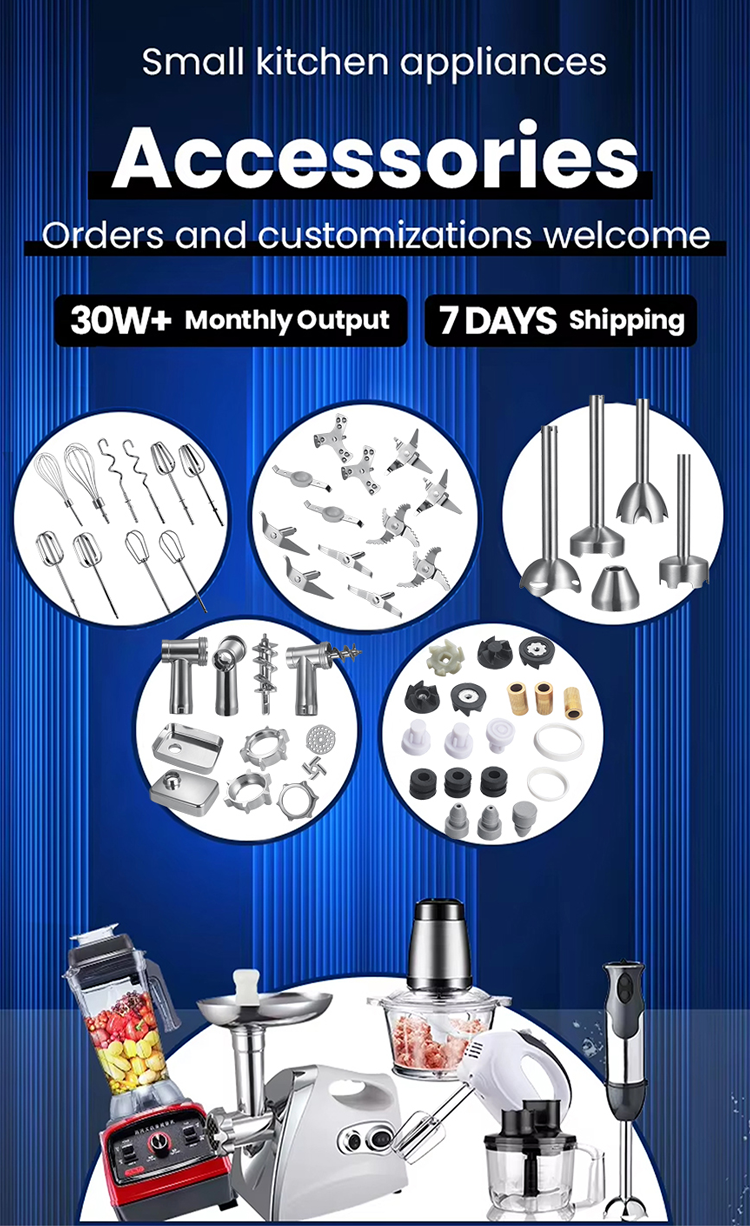
The Ultimate Guide to Stainless Steel Blender Blades – Durability Meets Performance
When it comes to kitchen appliances, few components are as critical as the blender blade. Among the various materials used in manufacturing these essential parts, stainless steel blender blades stand out for their unmatched durability, corrosion resistance, and cutting efficiency. Whether you're blending smoothies, crushing ice, or pureeing soups, a high-quality stainless steel blade ensures consistent results every time.
Why Choose Stainless Steel?
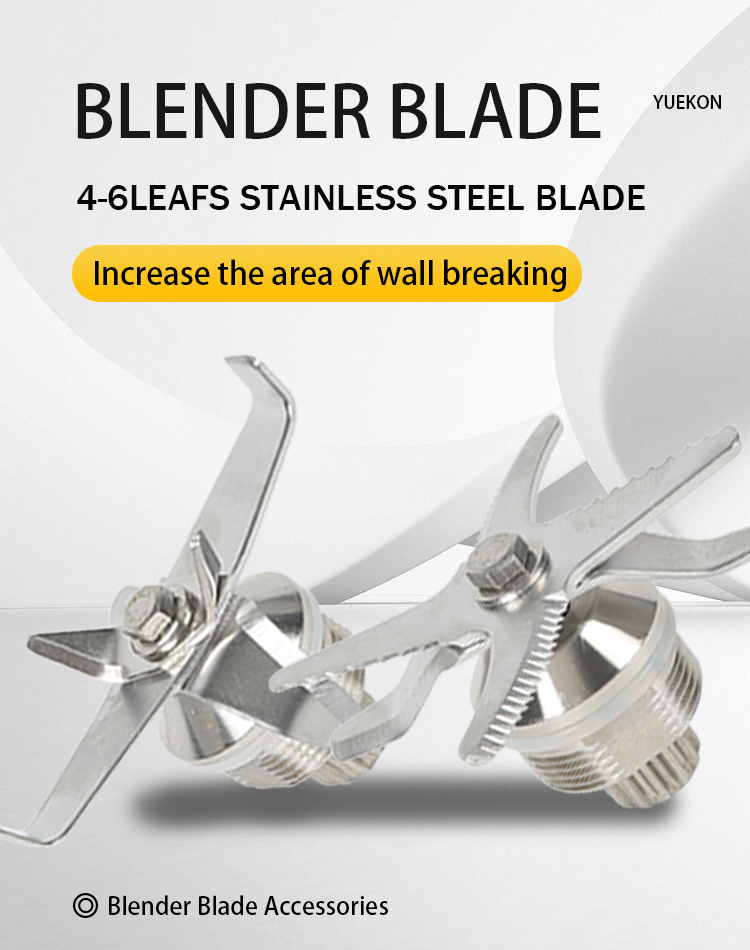
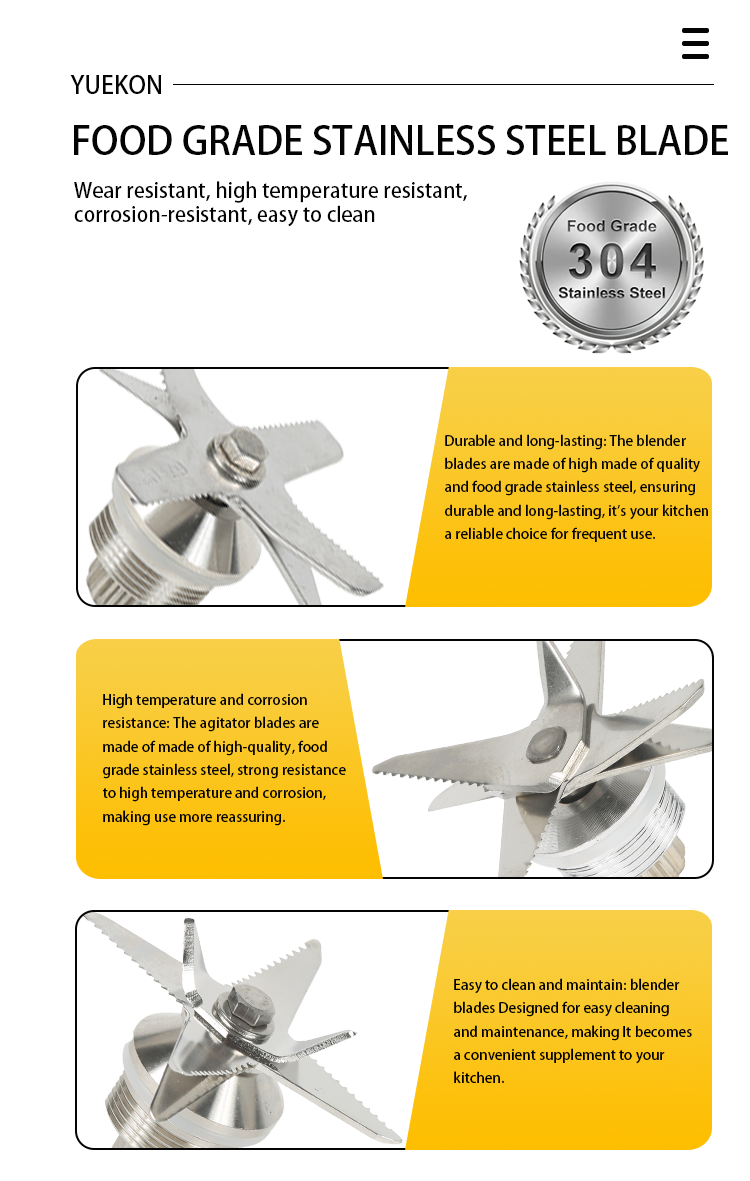
Stainless steel is an alloy composed primarily of iron, chromium, and sometimes nickel. This composition gives it exceptional resistance to rust, staining, and wear—qualities that are vital in a moist, acidic kitchen environment. Unlike plastic or lower-grade metal blades that dull quickly or corrode over time, stainless steel maintains its sharpness and structural integrity through thousands of blending cycles.
Performance Benefits
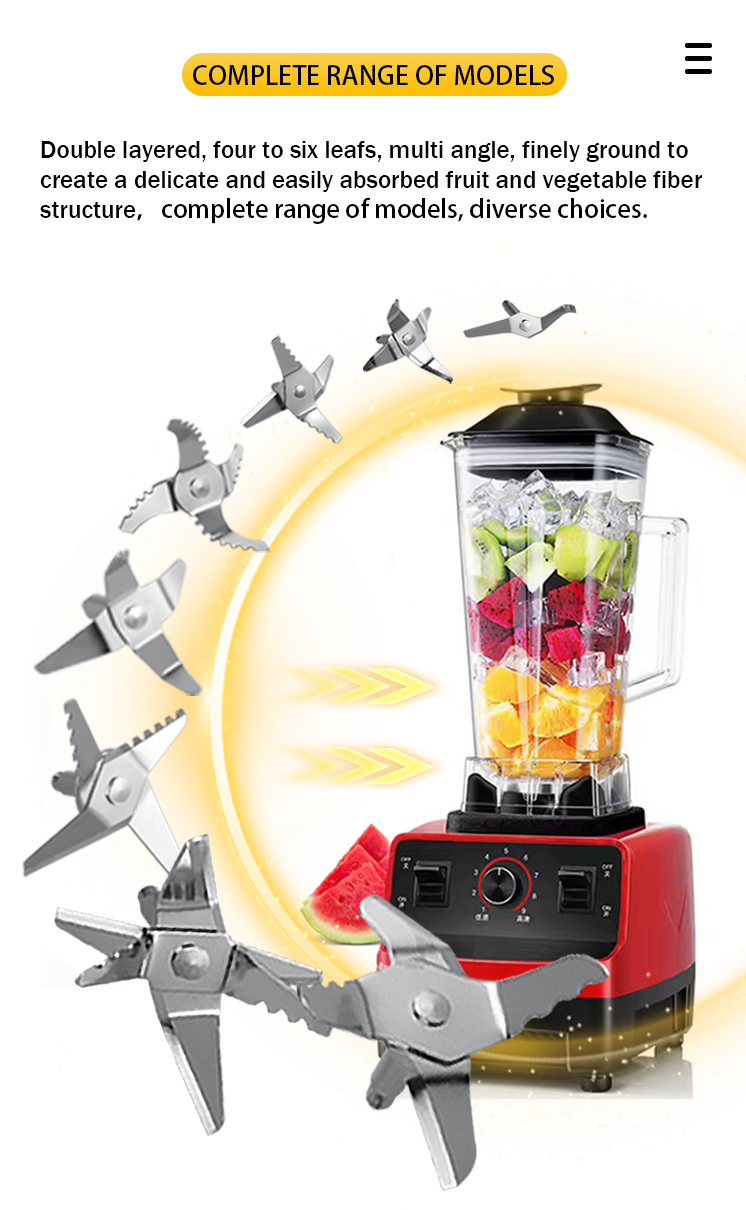
A well-designed stainless steel blender blade features multiple precision-engineered edges that create powerful vortex action, pulling ingredients down into the blades for thorough mixing. Many premium models use hardened stainless steel (such as 304 or 430 grade) to enhance toughness without compromising flexibility. This means smoother blends, faster processing times, and less strain on your motor.
Compatibility & Maintenance
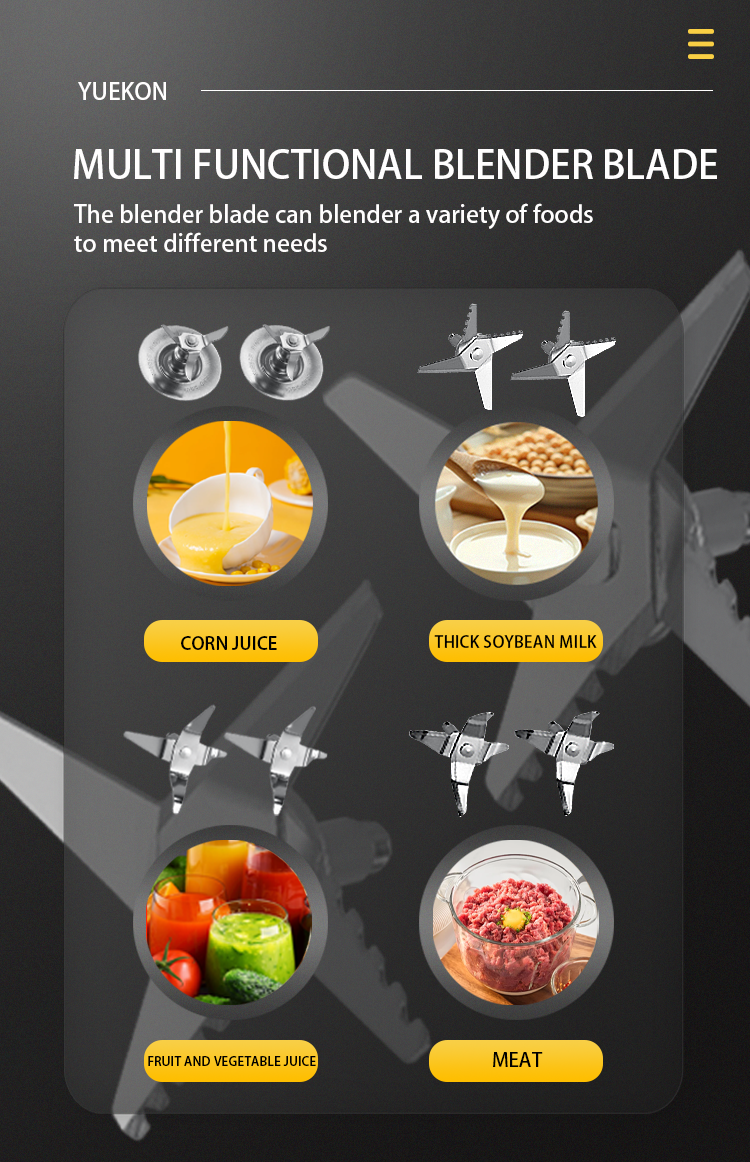
Most stainless steel blades are designed to fit standard blender jars from leading brands like Vitamix, Ninja, Oster, and KitchenAid. Always verify compatibility before purchasing a replacement. Cleaning is straightforward—simply rinse with warm soapy water or run a quick blend with water and a drop of dish soap. Avoid abrasive scrubbers that could scratch the surface.
Environmental & Economic Value
Investing in a stainless steel blade isn’t just about performance—it’s also sustainable. These blades last significantly longer than alternatives, reducing waste and the need for frequent replacements. Over time, this translates into cost savings and a smaller environmental footprint.
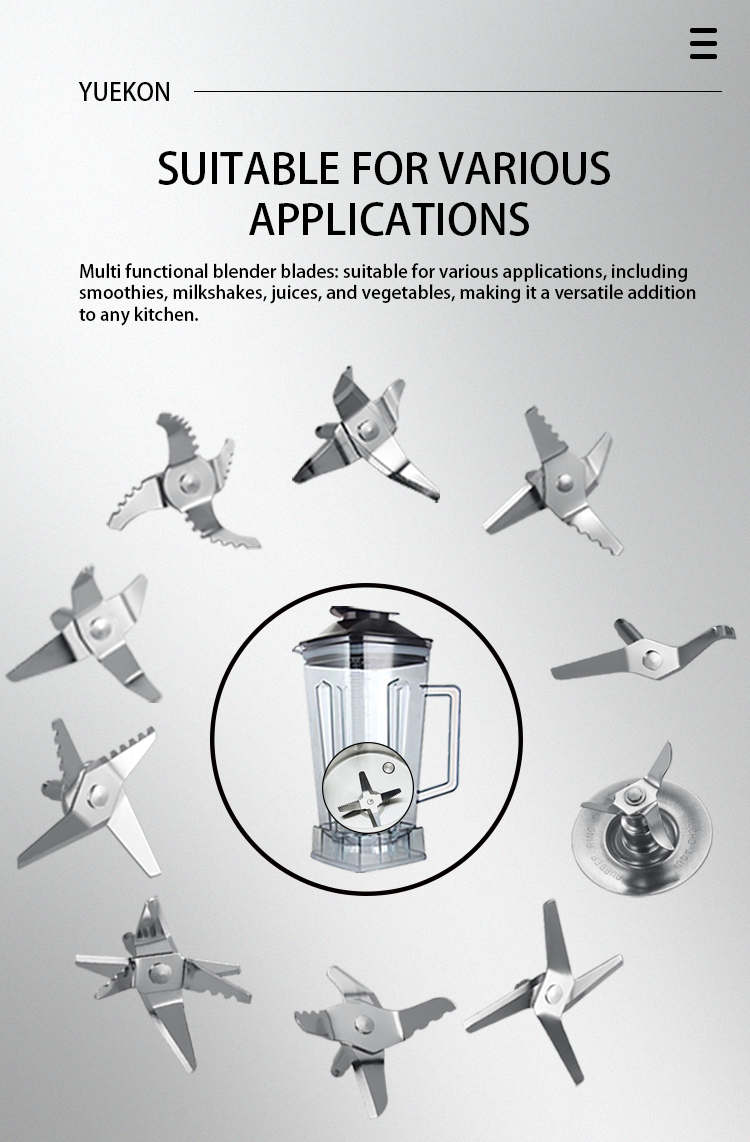
In conclusion, if you demand reliability, hygiene, and peak blending performance, a stainless steel blender blade is the smart choice for both home cooks and professional chefs alike.


