loading


| Availability: | |
|---|---|
| Quantity: | |
YKD-14
YUEKON
In industrial settings, mixer blades are critical components of concrete mixers, chemical processing equipment, and food manufacturing lines. Their design directly impacts mixing efficiency, energy consumption, and maintenance costs, making optimization a key priority for engineers.
Features
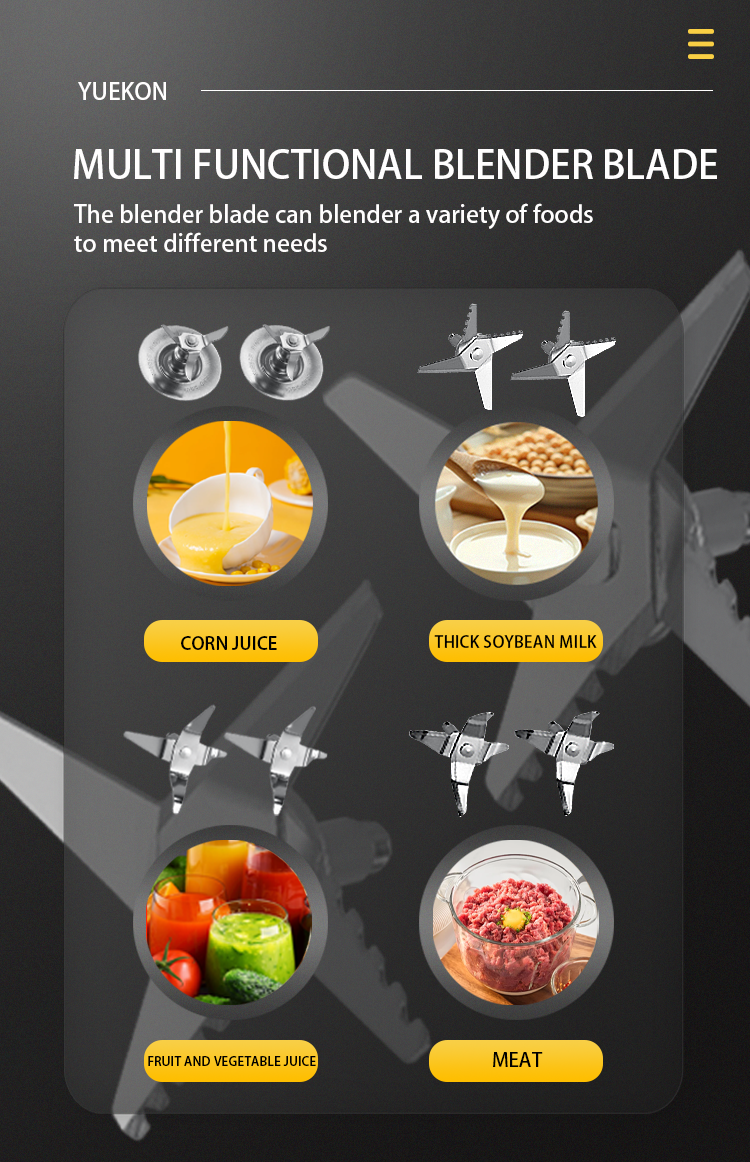
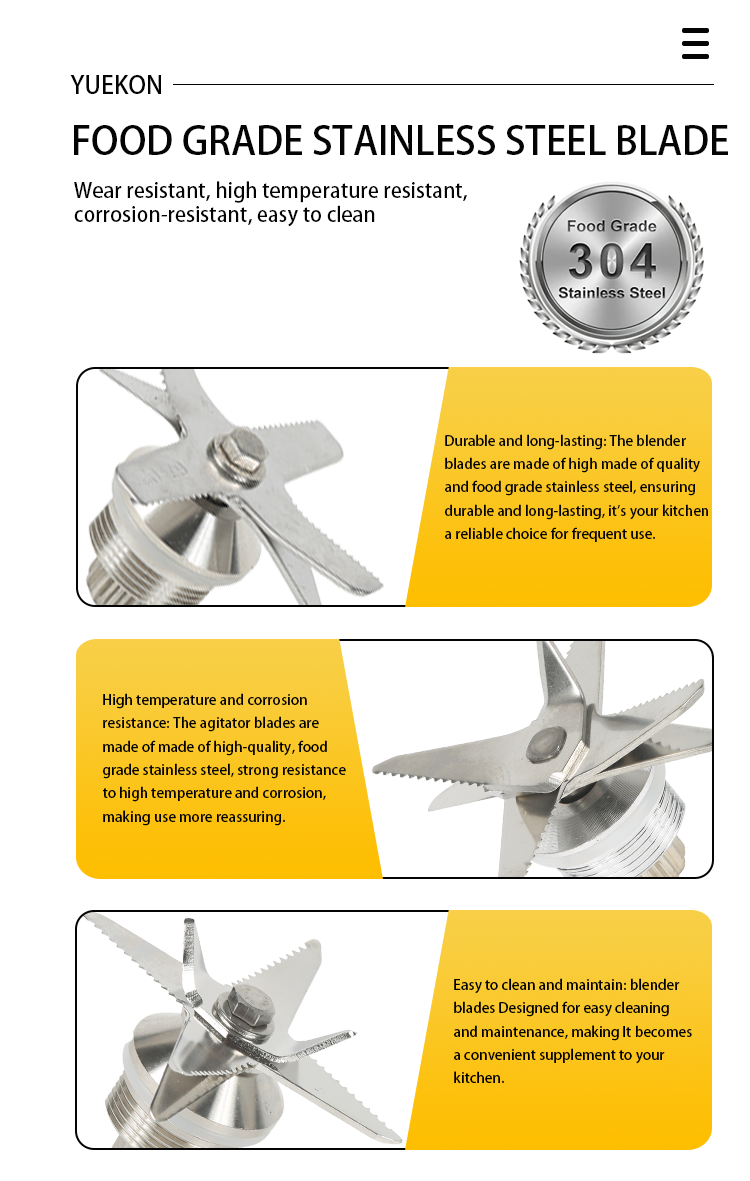
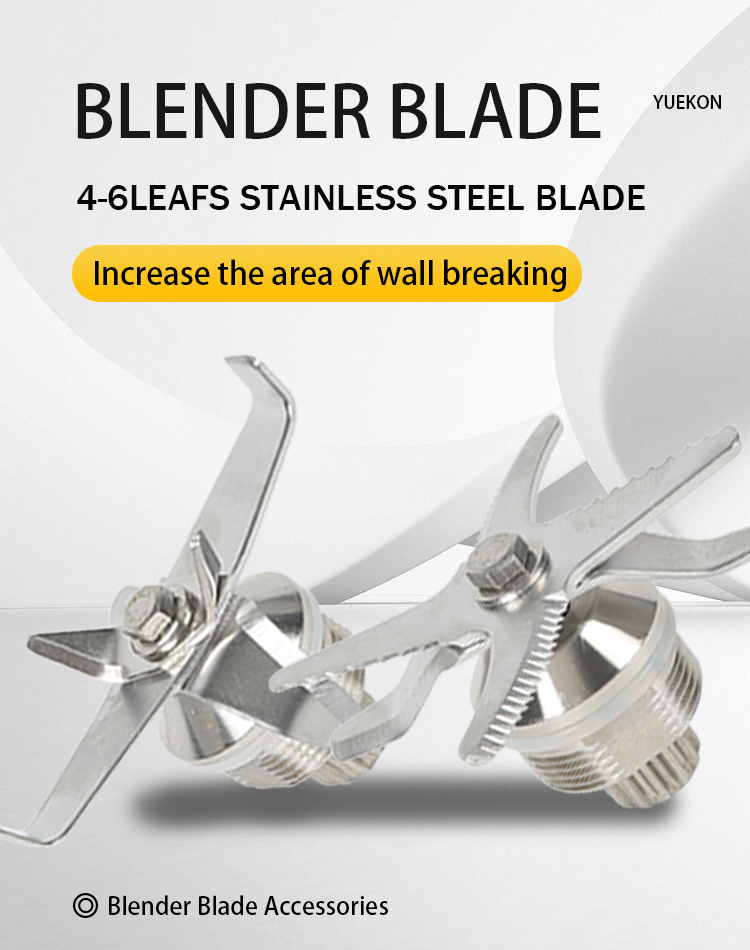
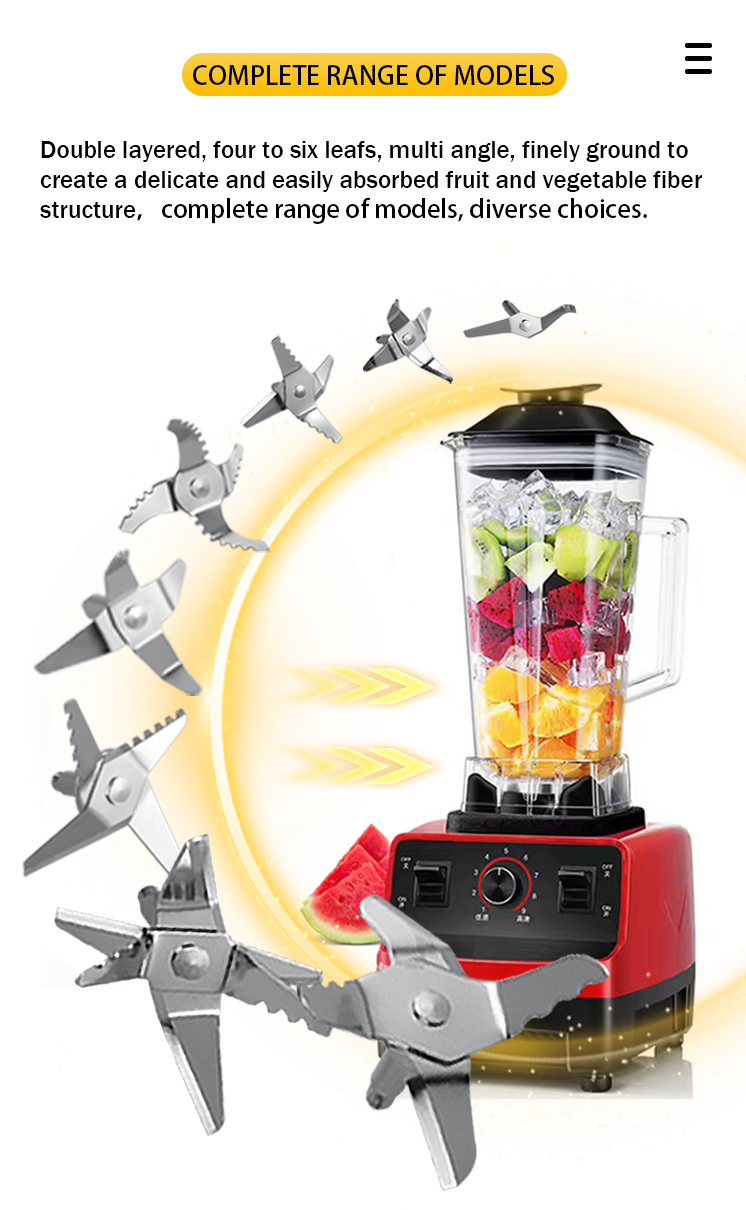
1. Stainless steel blade for meat grinder/mincer etc;
2. Could make according to your drawing or samples;
3. Stand wear and tear, convenient to use;
4. High cost performance; 100% full qualified;
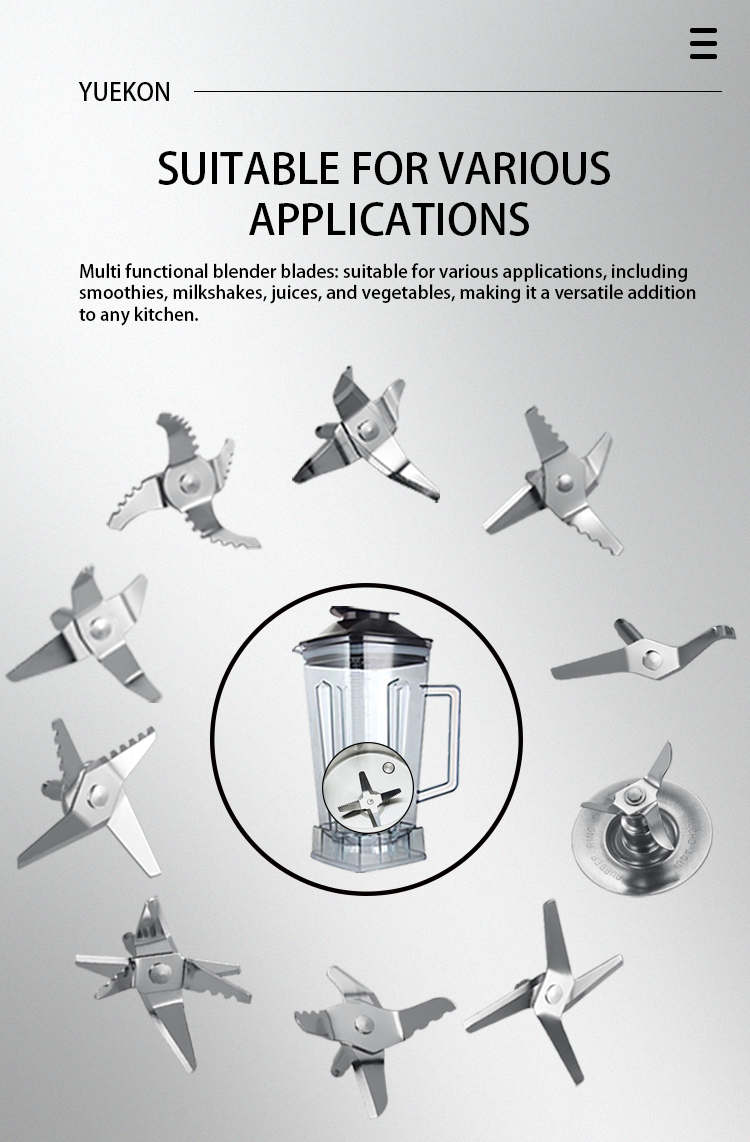
5. Universal application;
6. Outstanding quality;
7. Long shelf life;
8. Many other models to supply.
9 Mirror surface and with high hardness10 precise casting can make the good quality
11 hardness is 50-55HRC usually.
Installation Angle: The angle between the blade plane and the shaft (α) affects material flow and resistance torque. For concrete mixers, studies show that an angle of 31.8° minimizes wear while maximizing mixing quality and energy efficiency. Angles above 40° increase torque and wear, while angles below 30° reduce material circulation.
Geometry: Holes or notches in blades can reduce drag and improve material flow, especially in high-viscosity applications like fresh concrete. A 30mm edge distance for holes balances structural integrity and performance.
Coating Technologies: Advanced coatings like carbide, Colmonoy hard-facing, or zircon ceramic enhance wear resistance in harsh environments. For molten aluminum processing, zircon-coated Inconel 718 blades last over 20 cycles, compared to 5–6 cycles for uncoated blades.
Abrasive Wear: Caused by hard particles (e.g., concrete aggregates) scraping the blade surface. This is the most common issue and can be mitigated by using wear-resistant materials or coatings.
Corrosive Wear: Occurs in chemical processing or marine environments. Stainless steel or ceramic coatings prevent oxidation and material degradation.
Fatigue Wear: From repeated stress during mixing. Optimizing blade thickness and installation angle reduces cyclic loading, extending service life.